Water damage in your basement can lead to costly repairs and health risks due to mold growth. Understanding how to prevent water damage in your Grants Pass basement is essential for maintaining a safe and dry living environment. In this post, we'll explore the common causes of water damage, effective prevention strategies, and when to seek professional help.
Understanding Water Damage Risks
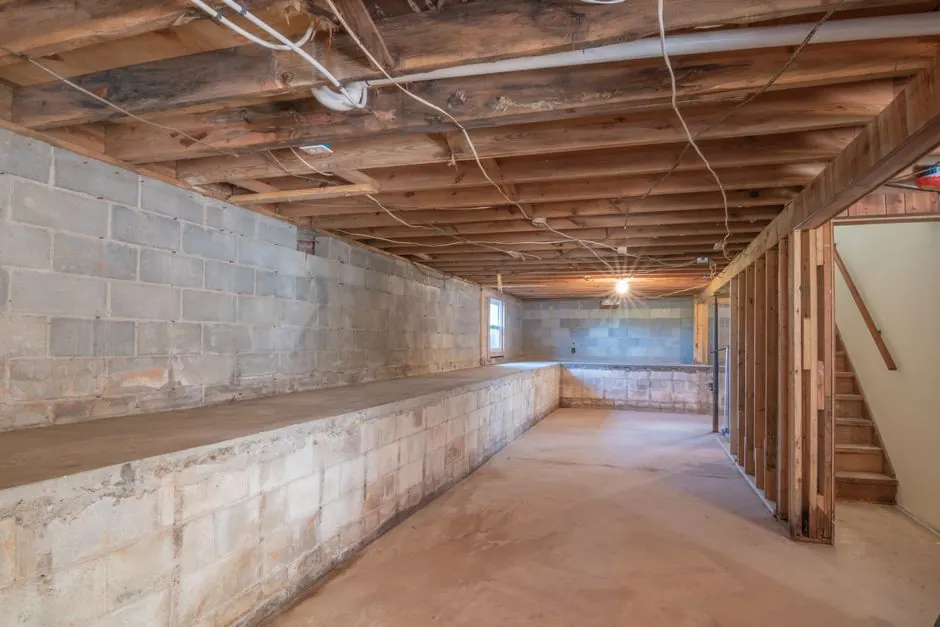
Basements are particularly vulnerable to water damage due to their location below ground level. In Grants Pass, the combination of heavy rainfall and the region's soil composition can lead to significant moisture issues. Understanding these risks is the first step in preventing basement water damage.
Common Causes of Basement Water Damage
Several factors can contribute to water damage in your basement:
- Heavy Rainfall: Grants Pass experiences seasonal rain that can overwhelm drainage systems.
- Groundwater Levels: High groundwater levels can increase the risk of seepage into your basement.
- Improper Drainage: Poorly installed gutters or downspouts can direct water towards your foundation.
- Cracks in Foundation: Over time, cracks can develop in your foundation, allowing water to enter.
Each of these factors can lead to significant issues if not addressed promptly. By recognizing these common causes, you can take proactive measures to protect your home.
Effective Prevention Strategies
Implementing effective strategies is key to preventing water damage in your basement:
- Ensure Proper Drainage: Check that your gutters and downspouts are clear and direct water away from your foundation.
- Install a Sump Pump: A sump pump can help remove excess water from your basement during heavy rains.
- Seal Cracks: Regularly inspect your foundation for cracks and seal them with appropriate materials.
- Landscaping Adjustments: Ensure that the landscaping slopes away from your home to direct water away from the foundation.
These strategies can significantly reduce the risk of water entering your basement.
Moisture Control Techniques
In addition to structural measures, controlling moisture levels is crucial:
- Use Dehumidifiers: A dehumidifier can help maintain a low humidity level in your basement.
- Insulate Pipes: Insulating pipes can prevent condensation and reduce moisture in the air.
- Ventilation: Ensure your basement is well-ventilated to allow moisture to escape.
By implementing these moisture control techniques, you can keep your basement dry and comfortable.
Common Mistakes to Avoid
Many homeowners make mistakes that can exacerbate water damage risks:
- Ignoring signs of moisture or water damage, such as stains or musty odors.
- Neglecting regular maintenance of gutters and downspouts.
- Failing to inspect the foundation for cracks or damage.
- Assuming that a waterproofing system is a one-time fix; regular maintenance is essential.
Avoiding these common pitfalls will help you maintain a dry basement.
When to Call a Professional
If you notice persistent moisture issues or signs of water damage, it may be time to call in the experts. Professional services like Water Damage Restoration Grants Pass OR can assess the situation and provide effective solutions tailored to your needs. They can also help with emergency situations that require immediate attention.
Frequently Asked Questions
How can I prevent water damage in my basement in Grants Pass?
To prevent water damage, ensure proper drainage, install a sump pump, seal foundation cracks, and maintain low humidity levels with dehumidifiers.
What are the best tips for basement water damage prevention in Grants Pass?
Regular maintenance of gutters, proper landscaping, and moisture control techniques are essential for preventing water damage in your basement.
Why is my basement prone to water damage in Grants Pass?
Basements are prone to water damage due to their below-ground location, high groundwater levels, and potential for heavy rainfall in the Grants Pass area.
What should I do if I find water damage in my basement?
If you find water damage, it's important to address it immediately. Remove any standing water and consider contacting a professional for assessment and remediation.
Can I fix water damage myself?
While minor issues can be addressed by homeowners, significant water damage often requires professional intervention to ensure complete restoration and prevent further problems.